
Base 01
Simple syrup
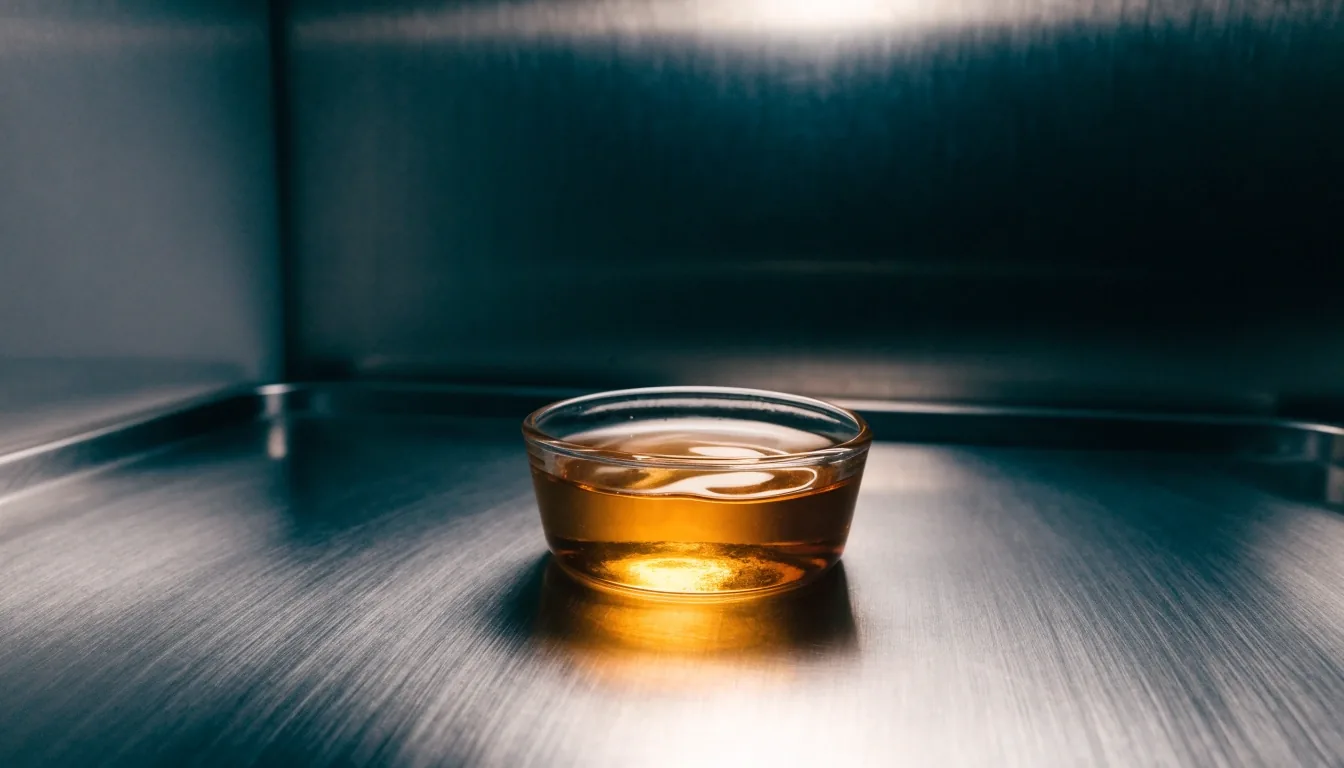
Sugar and water, heated until clear. The thinnest pour and the most neutral flavour — the base for flavouring.
6545 Delridge Wy SW, Seattle, WA 98106
+1 206 767 6896Monday to Friday, 9:00 AM – 6:00 PM
Syrups & Sauces
Four ramekins. One waffle. Build your own counter — and learn the consistency, simmer time and salt that decide whether it pours or puddles.
The four base styles
Simple syrup is sugar and water. Brown sugar butter syrup adds fa and molasses. Fruit sauce is cooked fruit with sugar until it breaks down. Caramel is sugar taken further, until it darkens and thickens. Learn what each one does on a waffle and you can improvise from there.
A homemade waffle house syrup is almost always one of these four, adjusted for how thick you want the pour and how sweet you want the finish.
Base 01
Sugar and water, heated until clear. The thinnest pour and the most neutral flavour — the base for flavouring.
Base 02
Fat and molasses in the pan. Richer body, faster thickening — the texture most diner-style syrups chase.
Base 03
Cooked fruit with sugar until it collapses. The one that holds a line on the waffle instead of running off it.
Brown sugar butter syrup, step by step
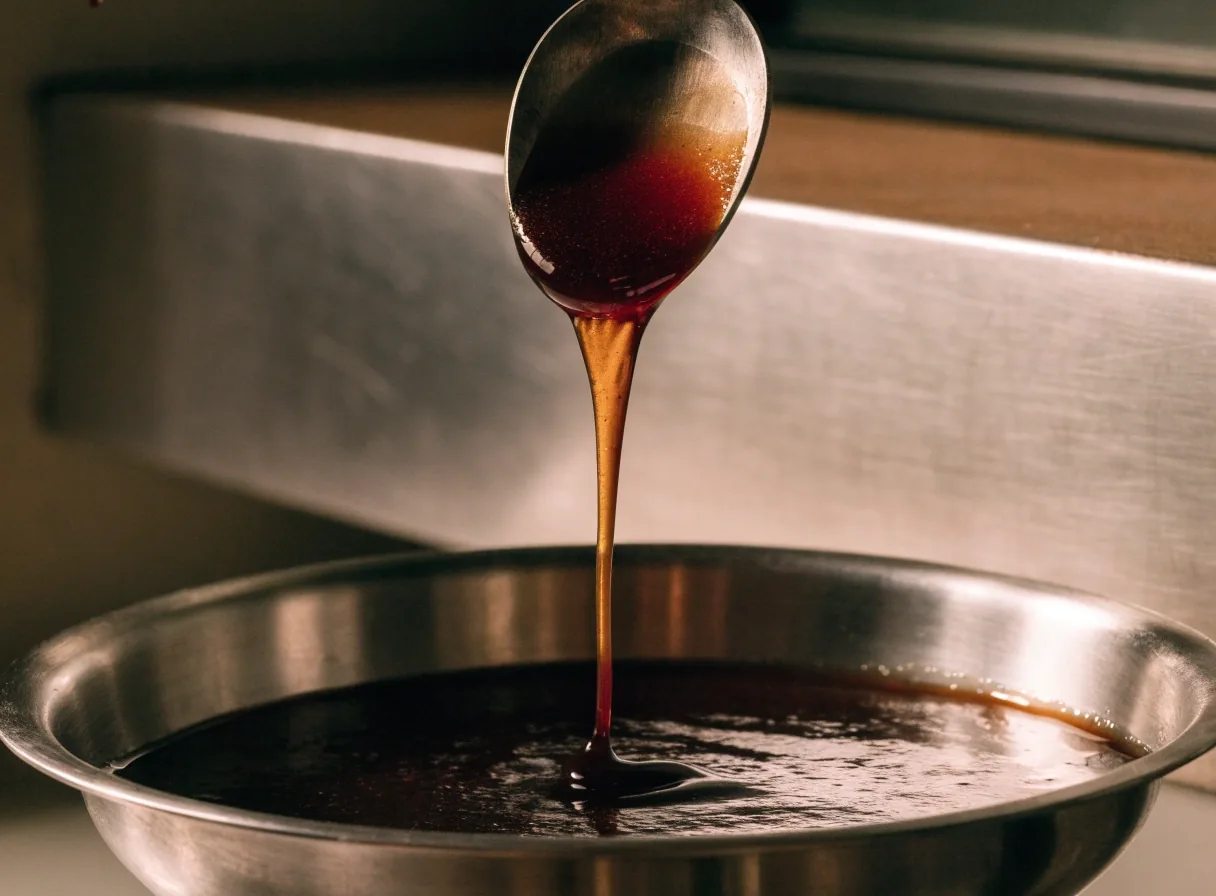
Combine brown sugar, butter, and a small amount of water in a small saucepan over medium heat. Stir until the sugar dissolves, then stop stirring and let it come to a low simmer for two or three minutes.
Take it off the heat and add a pinch of salt and a little vanilla. It thickens as it cools, so pull it early if you want a thinner pour.
Ratio — sugar : water : butter
Pull the pan early for a thin pour; hold the simmer for a set that coats the back of a spoon.
Ingredient notes that matter
Get these four decisions right and the rest of the batch is forgiving. Get them wrong and the fix is always more work than the first pass.
Flavored simple syrup, three ways
Split the batch while it is still warm, flavour each jar on the counter in front of you, and label the lids before they cool — the three finished syrups look identical at the end.
Jar 01 — vanilla
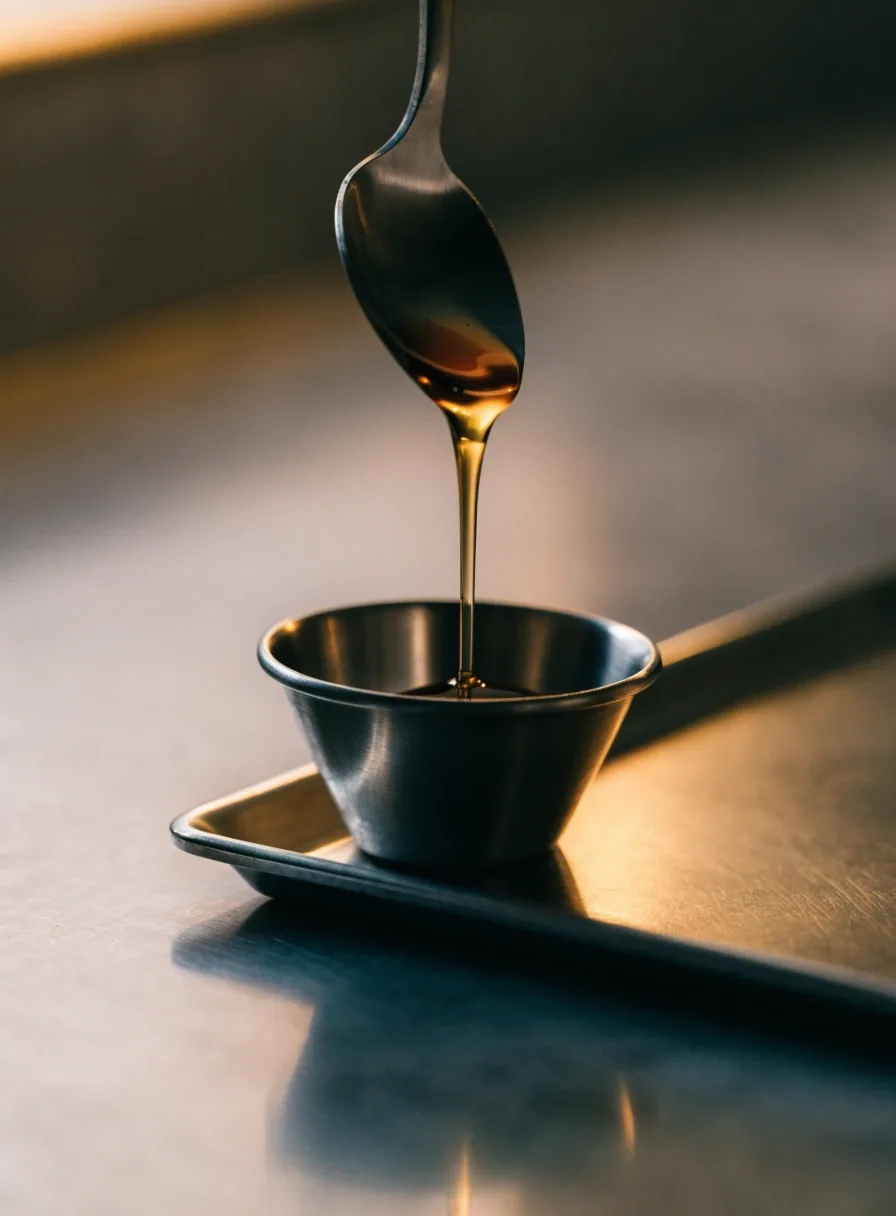
Stir it in warm so the aroma opens up. A split bean and a short steep give a softer vanilla than the extract, which reads sharper on the tongue.
Jar 02 — cocoa
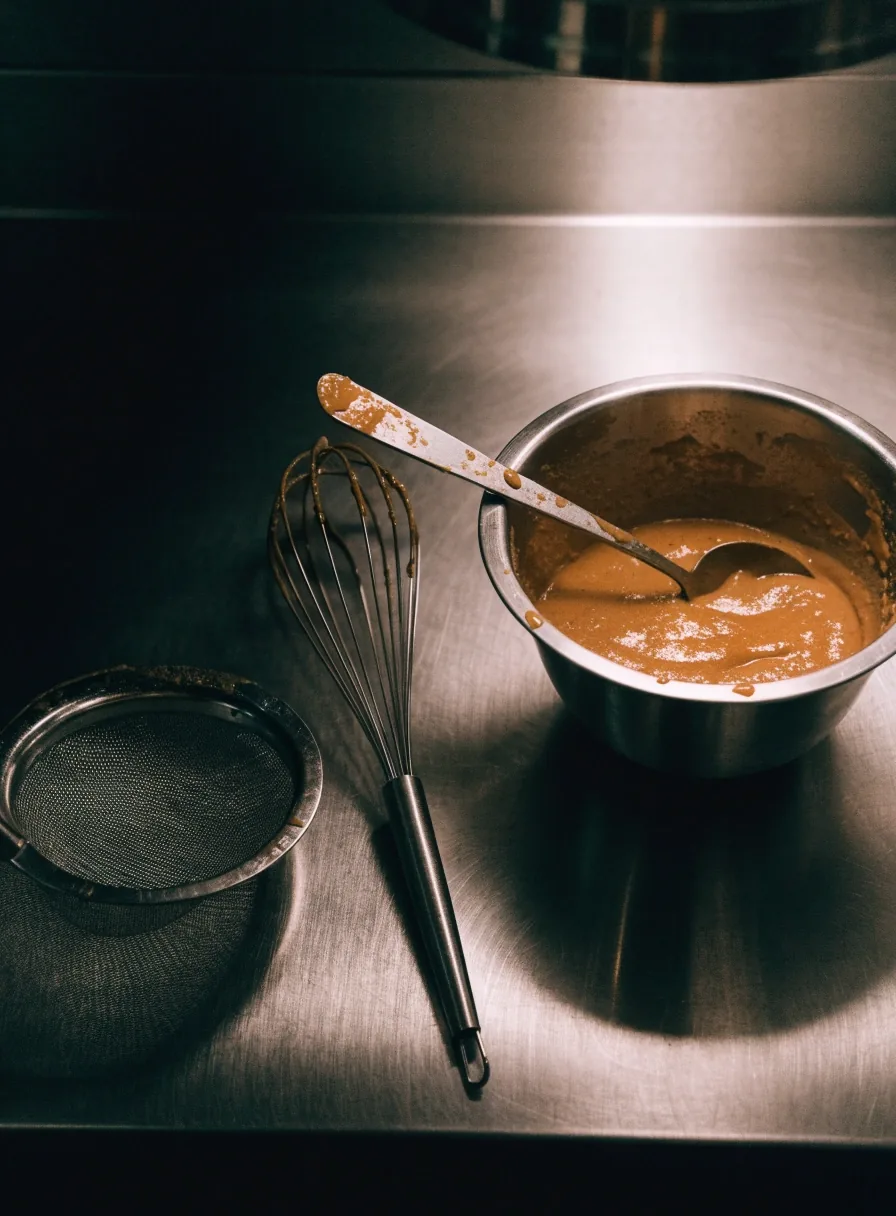
Whisk a spoon of cocoa into the hot syrup until it slackens, then strain it back so the pour stays clear. A waffle house waffle sauce recipe often starts right here.
Jar 03 — almond
Almond extract goes in last and off the flame — the flavour cooks off fast. Add it in drops and taste before the next one; it turns bitter past a certain point.
Texture targets, described
Waffle syrup
Should fall from a spoon in a thin, steady stream and leave a faint coating on the back. If it drips in drops, it is too thin. If it stays put, it is closer to a sauce already.
Fruit sauce
Should mound slightly on the spoon and hold a line when you drag through it with a finger. If the line closes straight away, the fruit needs another few minutes with the lid off.
Pourable nut topping
Should ribbon, not drip — lifted on the spoon it holds a slow fold for a moment before it settles. Warmed gently, it loosens; cold, it tightens enough to stay put on a hot waffle.
These are the checks that matter more than any timer. A minute on either side is fine; a stream gone to drips is not.
Fruit sauce with structure
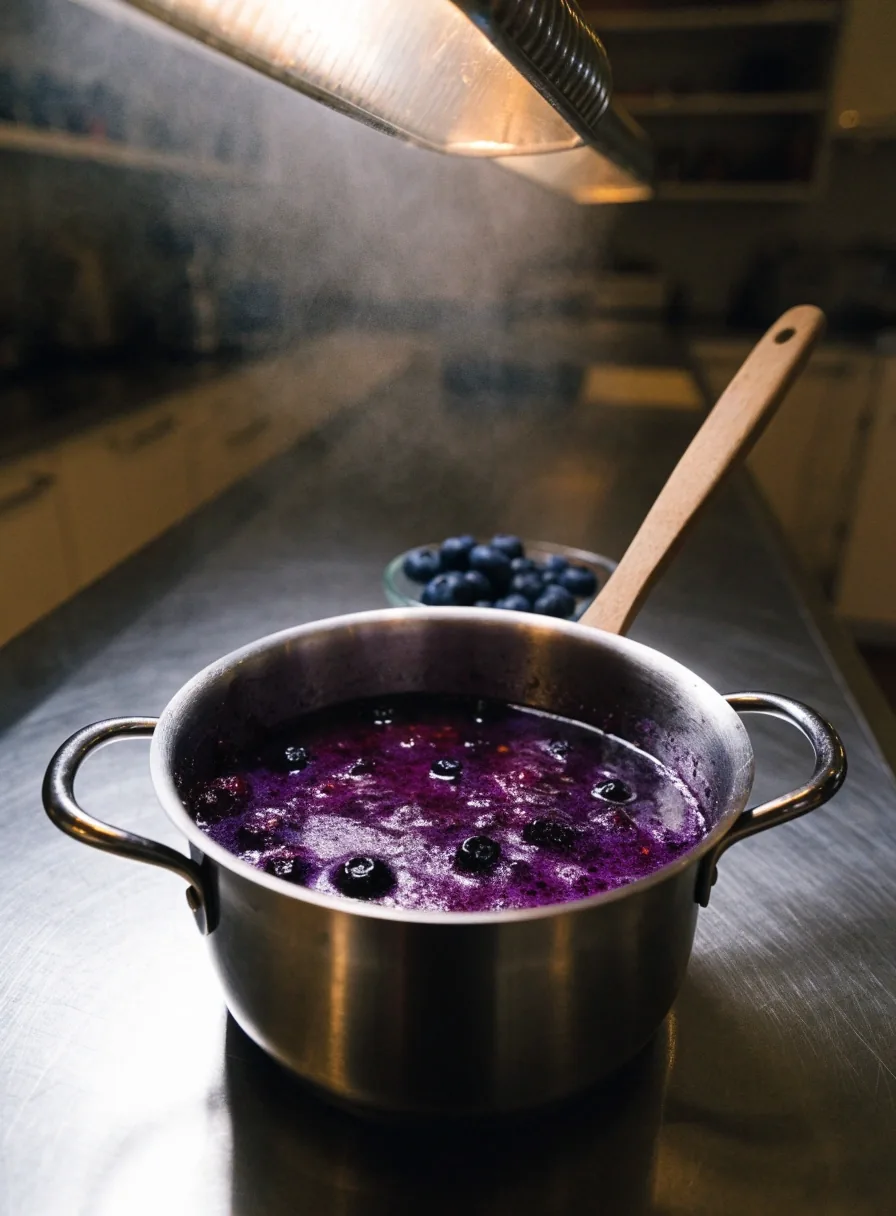
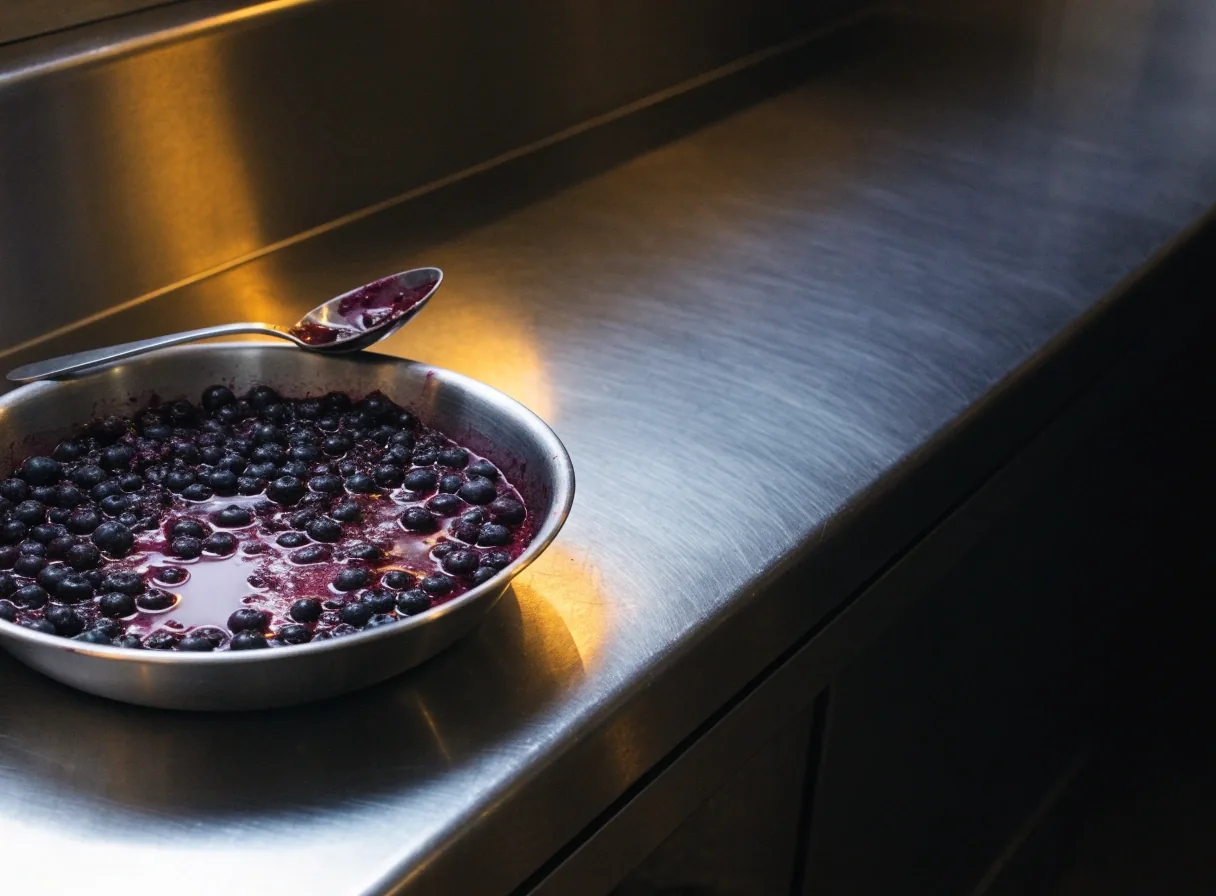
Cook blueberries or another soft fruit with sugar and a splash of water until the fruit collapses and the liquid reduces. Vanilla and lemon juice go in last — after the heat is off — so the top note survives.
If you want a smoother sauce, mash with a fork rather than blending. Some whole fruit holds the sauce on the waffle instead of letting it run to the edge of the plate; a puréed sauce pours right past the plate's rim and takes the whole plate over with it.
Cool it in a shallow dish rather than a deep jar so it sets before you spoon it on — the surface tightens first.
Make-ahead and storage
Simple syrup
Keeps refrigerated for several weeks and freezes cleanly in an ice cube tray — one cube loosens a jar of tightening syrup.
Weeks
Butter syrup
Best within a week. Reheats gently in a small pan — never a rolling boil, or the butter splits out of the syrup and sits on top.
1 week
Fruit sauce
About a week refrigerated, and freezes well in a flat freezer bag you can lay down and break off what you need.
1 week
Reheating
Sauces reheat in a small pan over low heat with a spoonful of water if they have tightened up in the fridge.
Low heat
Fixing a sauce that went wrong
Simmer a few more minutes with the lid off, and remember it thickens as it cools — a batch that looks thin off the heat is often right once it has rested.
A spoonful of hot water, stirred in off the heat. Add it one spoon at a time — a little goes further than it looks with a butter syrup.
The sugar was not fully dissolved before the mixture boiled, so strain it and start the next batch with a longer stir before the simmer. There is no coming back from crystallised sugar in the pan.
Salt and lemon, in small amounts, before you add more of anything else. A pinch of salt and a squeeze of lemon will reign in a batch that got away from you.
Where this goes next
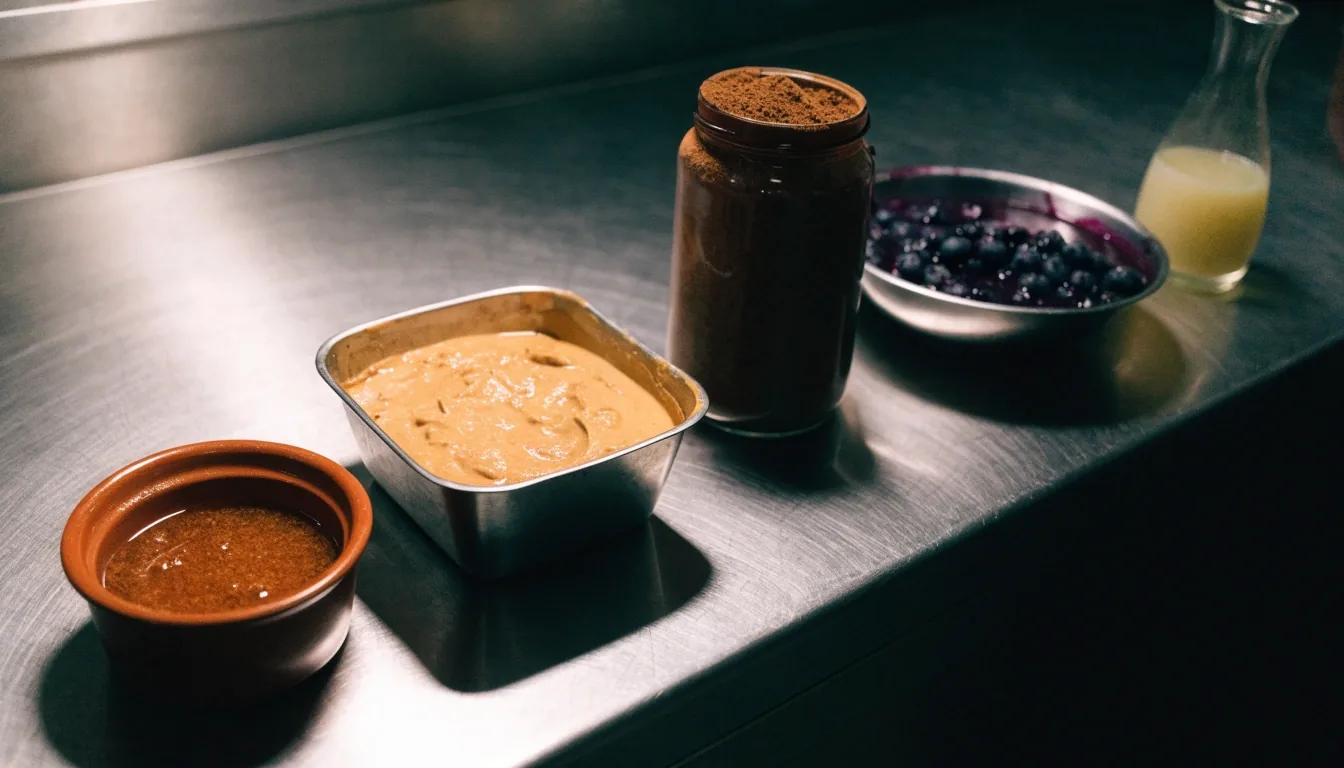
Fruit compote, whipped cream, powdered sugar, salted caramel, cinnamon, nut butter — the topping shelf is where a batch of brown sugar butter syrup earns its keep. Pair a warm pour with something cold or crisp and the plate reads finished instead of sweet on sweet.
Read next
The syrup is the fastest thing to change on a plate. If you already have a batch cooling on the counter, the topping combinations page shows what to put beside it, and the waffle base recipe is the batter that holds up under a warm pour.
Questions about a batch that went sideways? Write to us at IsidoroTellez@derryheydon.com — a photo of the pan helps more than a paragraph about it.
Send us a note